

Priyash Dhakal
Computer Engineer, PhD Research Fellow, AI Engineer, Bioinformatician
About Me
I am a PhD Research Fellow in Bioinformatics at Jeonbuk National University (JBNU), South Korea, working at the intersection of molecular biology, computer science, and statistical learning. My research develops machine- and deep-learning models to decode high-dimensional biological sequence data and to uncover functional patterns in genomic and transcriptomic interactions.
My path began in Computer Engineering (B.E., 2016), followed by hands-on roles in systems administration, networking, and full-stack software development. That engineering foundation shapes how I approach computational biology: building reproducible pipelines, writing clean and well-documented code in Python (PyTorch, TensorFlow, Keras), and validating models through rigorous, data-driven evaluation.
My research interests span feature representation for genomic sequences, ensemble and deep learning, and the application of AI to problems in genomics and biomedical data. I am committed to open, reproducible science and to translating algorithms into meaningful biological insight.
Quick Facts
+977-9851212845
Technical Expertise
Professional Experience
- ➢Deployed MIS and POS systems across pharmaceutical retail outlets, digitizing inventory and sales workflows.
- ➢Monitored and evaluated pharmaceutical product data to support quality and compliance.
- ➢Planned and forecast requirements for raw materials and departmental consumables.
- ➢Defined performance plans and objectives aligned with organizational strategy.
- ➢Validated systems under controlled, real-world conditions prior to go-live.
- ➢Authored MIS/POS training manuals and onboarded relevant stakeholders.
- ➢Led the rollout of e-governance initiatives through coordination, advising, and stakeholder engagement.
- ➢Expanded IT access to digitally underserved communities to help bridge the digital divide.
- ➢Drafted IT policy and standards, and established a national portal for information sharing and integration.
- ➢Monitored and evaluated e-government automation to improve efficiency and service delivery.
- ➢Fostered public–private partnerships to broaden participation and adoption.
- ➢Strengthened information security with cost-effective, sustainable technology.
- ➢Reviewed existing systems and identified opportunities for improvement.
- ➢Proposed system enhancements with supporting cost analyses.
- ➢Collaborated closely with analysts, designers, and engineering staff.
- ➢Produced detailed technical specifications and implemented application code.
- ➢Tested products in controlled, real-world conditions before release.
- ➢Prepared end-user training manuals and documentation.
- ➢Maintained and supported systems in production.
- ➢Installed and configured software and hardware infrastructure.
- ➢Administered network servers and core technology tools.
- ➢Provisioned user accounts and workstations.
- ➢Monitored performance and maintained systems to defined requirements.
- ➢Diagnosed and resolved incidents and outages.
- ➢Enforced security through access controls, backups, and firewalls.
- ➢Upgraded systems with new releases and hardware.
- ➢Built an internal wiki of technical documentation, manuals, and IT policies.
Academic Background
Research & Publications
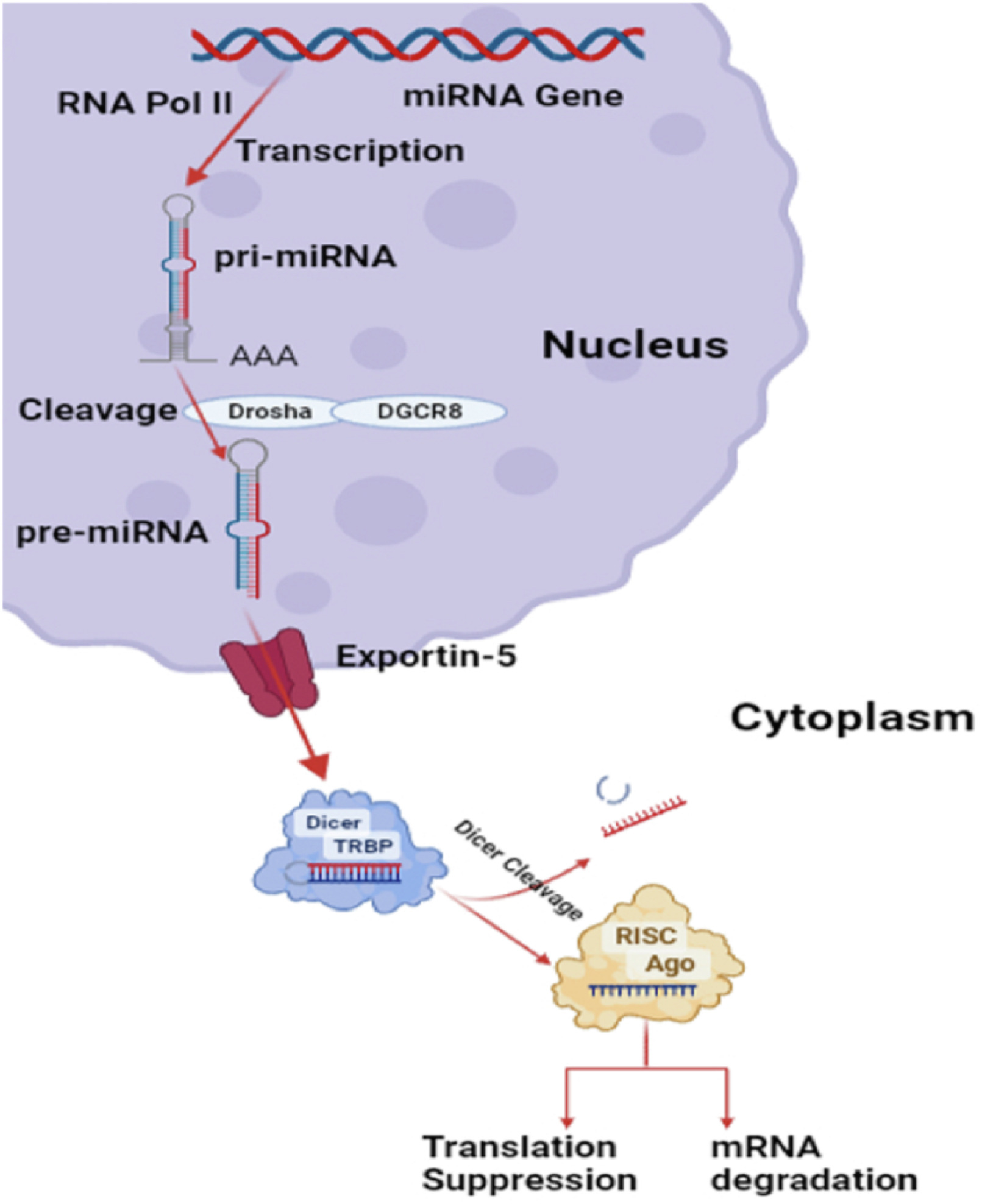
An ensemble of stacking classifiers for improved prediction of miRNA-mRNA interactions
MicroRNAs (miRNAs) are small non-coding RNA molecules that play a crucial role in regulating gene expression at the post-transcriptional level by binding to potential target sites of messenger RNAs (mRNAs), facilitated by the Argonaute family of proteins. Selecting the conservative candidate target sites (CTS) is a challenging step, considering that most of the existing computational algorithms primarily focus on canonical site types, which is a time-consuming and inefficient utilization of miRNA target site interactions.We developed a stacking classifier algorithm that addresses the CTS selection criteria using feature-encoding techniques that generates feature vectors, including k-mer nucleotide composition, dinucleotide composition, pseudo-nucleotide composition, and sequence order coupling.
Research Interests
Notes from the Lab
References

Kil To Chong
Professor at JBNU
Professor Kil To Chong is a dedicated researcher merging artificial intelligence and brain science to tackle brain diseases, particularly Alzheimer's. His notable academic contributions aim to enhance human well-being by identifying genes and mechanisms responsible for Alzheimer's and developing novel drugs. He's also engaged in AI-driven studies related to cancer-causing genes.

Hilal Tayar
Assistant Professor at JBNU
Experienced Researcher with a demonstrated history of working in the higher education industry. Skilled in Research, Matlab, Computer Vision, C, and C++. Strong research professional with a Master of Engineering (M.Eng.) focused in Information and Electronics Engineering from Chonbuk National University.