
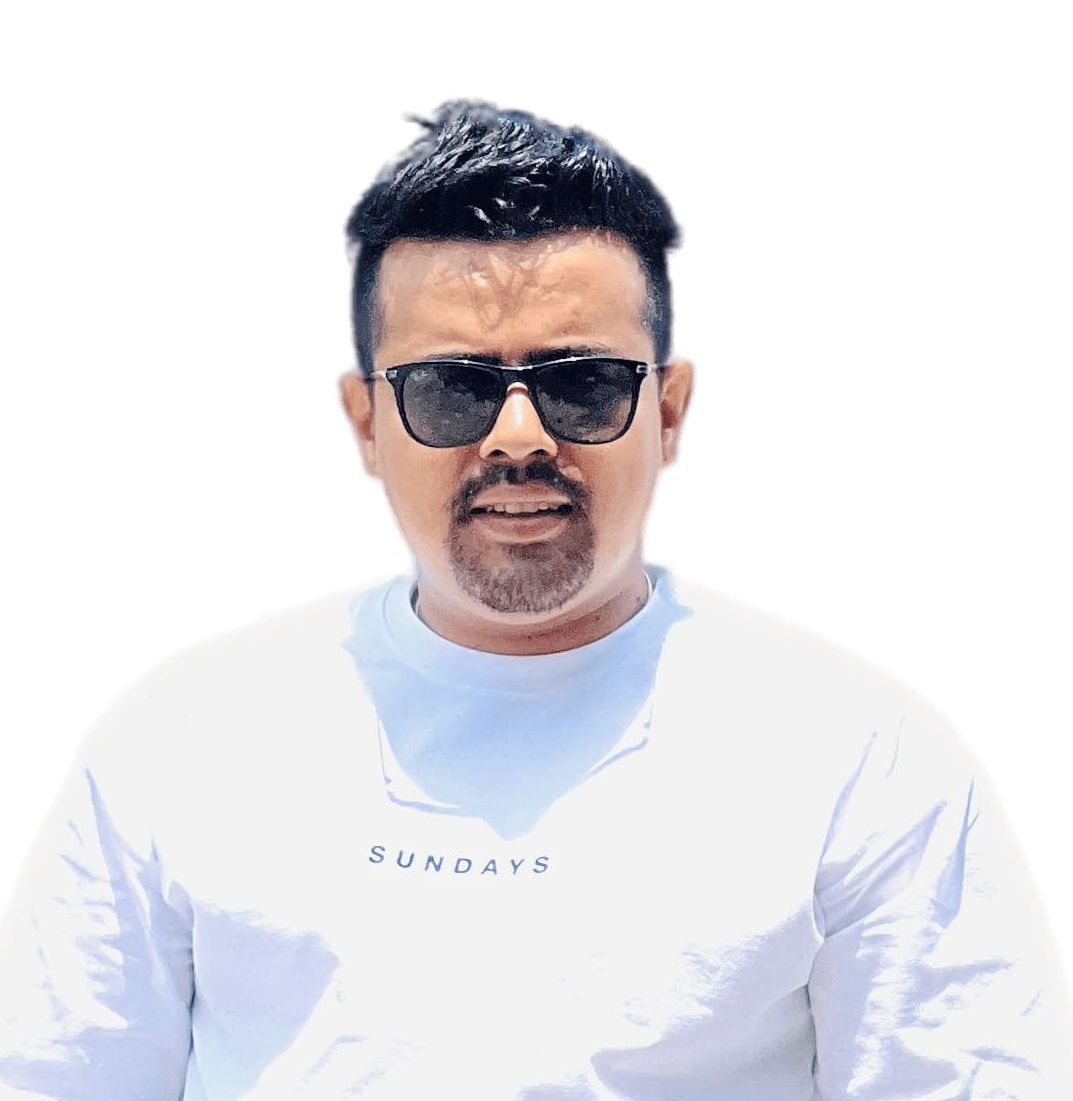
Priyash Dhakal
Computer Engineer, PhD Fellow, AI Engineer, Bioinfomatician
About Me
Hello! My name is Priyash Dhakal, and I am thrilled to introduce myself as a PhD Research Fellow in the field of bioinformatics at JBNU, (Jeonbuk National University) in South Korea. As a passionate and dedicated individual, I have embarked on a journey to explore the fascinating intersection of biology, computer science, and data analysis.
I have completed my bachelor's degree in Computer Engineering in 2016. I believe in success through hard work & dedication. I am a progressive thinker & respect each person's space & values.
Bio
+977-9851212845
Professional Skills
Work Experience
- ➢Implement MIS and POS system to the pharmaceutical stores.
- ➢Monitoring an evaluating the pharmaceutical products
- ➢Planning and projection of various raw materials and consumables requirement of the department.
- ➢Develop performance plans and objectives that align with the strategic objectives and plan.
- ➢Testing the product in controlled, real situations before going live.
- ➢Preparation of training manuals of MIS and POS system to the respective stakeholdes.
- ➢Implement e-governance and good governance plans by playing role as leading, advising and coordinating.
- ➢Provide IT access to all specifically to the digitally deprived village people (to minimize digital divide and share IT benefits)
- ➢Make IT law, plan and policy to regulate IT by imposing standards codes and national portal for information sharing/exchanging/ info integration.
- ➢Monitoring evaluation of e-government automation activities to improve efficiency and effectiveness in the delivery of services.
- ➢Create environment to promote private sector/ partnership (maximize participation).
- ➢Secure the digital information by promoting cheap cost-effective best technology for sustainable development.
- ➢Reviewing current systems.
- ➢Presenting ideas for system improvements, including cost proposals.
- ➢Working closely with analysts, designers and staff.
- ➢Producing detailed specifications and writing the program codes.
- ➢Testing the product in controlled, real situations before going live.
- ➢Preparation of training manuals for users.
- ➢Maintaining the systems once they are up and running.
- ➢Install and configure software and hardware.
- ➢Manage network servers and technology tools.
- ➢Set up accounts and workstations.
- ➢Monitor performance and maintain systems according to requirements.
- ➢Troubleshoot issues and outages.
- ➢Ensure security through access controls, backups and firewalls.
- ➢Upgrade systems with new releases and models.
- ➢Build an internal wiki with technical documentation, manuals and IT policies
Education
Research Paper
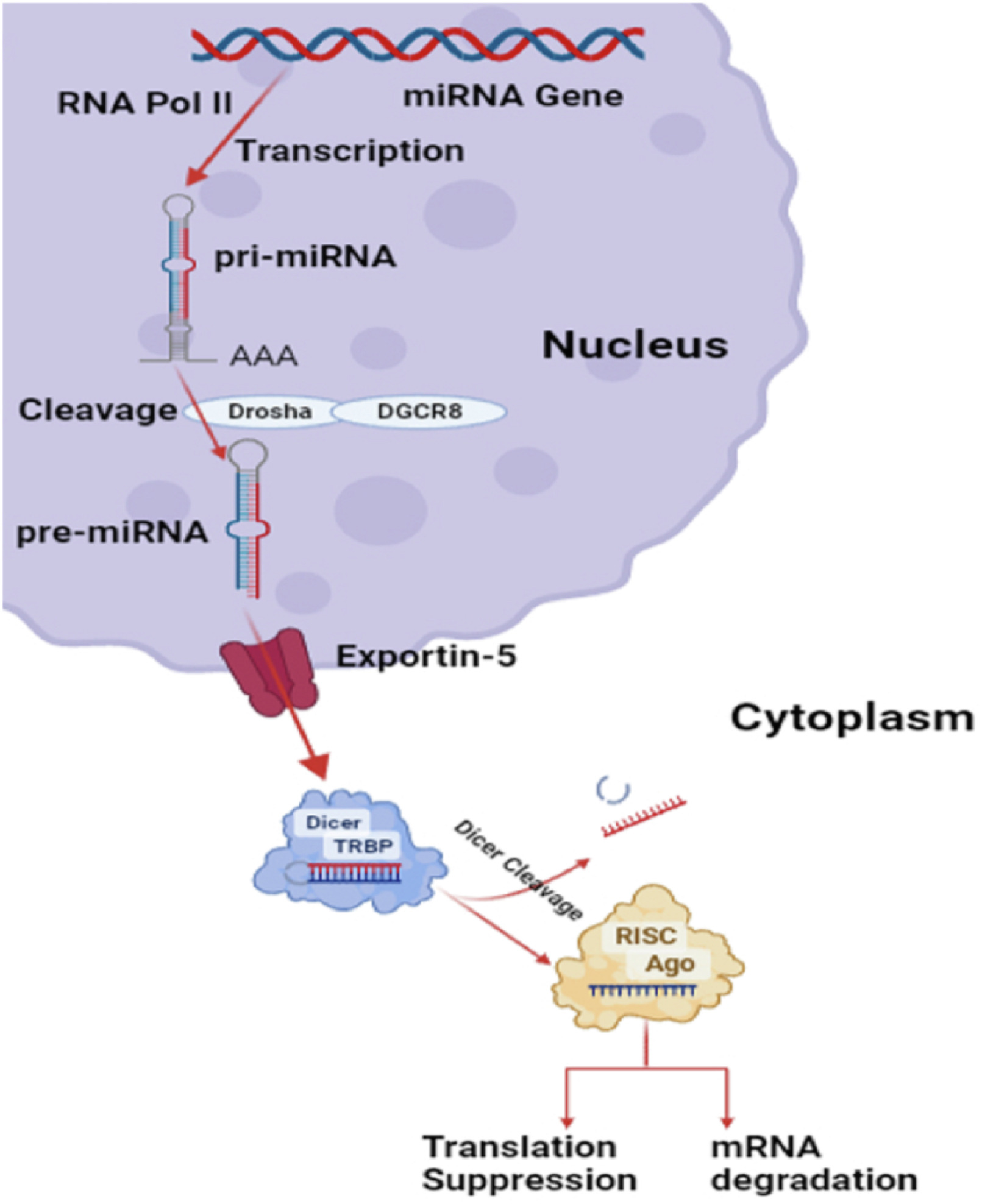
An ensemble of stacking classifiers for improved prediction of miRNA-mRNA interactions
MicroRNAs (miRNAs) are small non-coding RNA molecules that play a crucial role in regulating gene expression at the post-transcriptional level by binding to potential target sites of messenger RNAs (mRNAs), facilitated by the Argonaute family of proteins. Selecting the conservative candidate target sites (CTS) is a challenging step, considering that most of the existing computational algorithms primarily focus on canonical site types, which is a time-consuming and inefficient utilization of miRNA target site interactions.We developed a stacking classifier algorithm that addresses the CTS selection criteria using feature-encoding techniques that generates feature vectors, including k-mer nucleotide composition, dinucleotide composition, pseudo-nucleotide composition, and sequence order coupling.Learn more
References
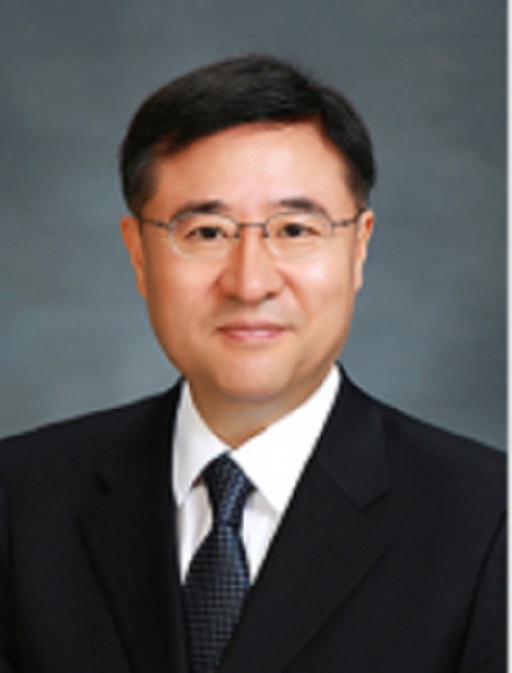
Kil To Chong
Professor at JBNU
Professor Kil To Chong is a dedicated researcher merging artificial intelligence and brain science to tackle brain diseases, particularly Alzheimer's. His notable academic contributions aim to enhance human well-being by identifying genes and mechanisms responsible for Alzheimer's and developing novel drugs. He's also engaged in AI-driven studies related to cancer-causing genes.

Hilal Tayar
Assistant Professor at JBNU
Experienced Researcher with a demonstrated history of working in the higher education industry. Skilled in Research, Matlab, Computer Vision, C, and C++. Strong research professional with a Master of Engineering (M.Eng.) focused in Information and Electronics Engineering from Chonbuk National University.